
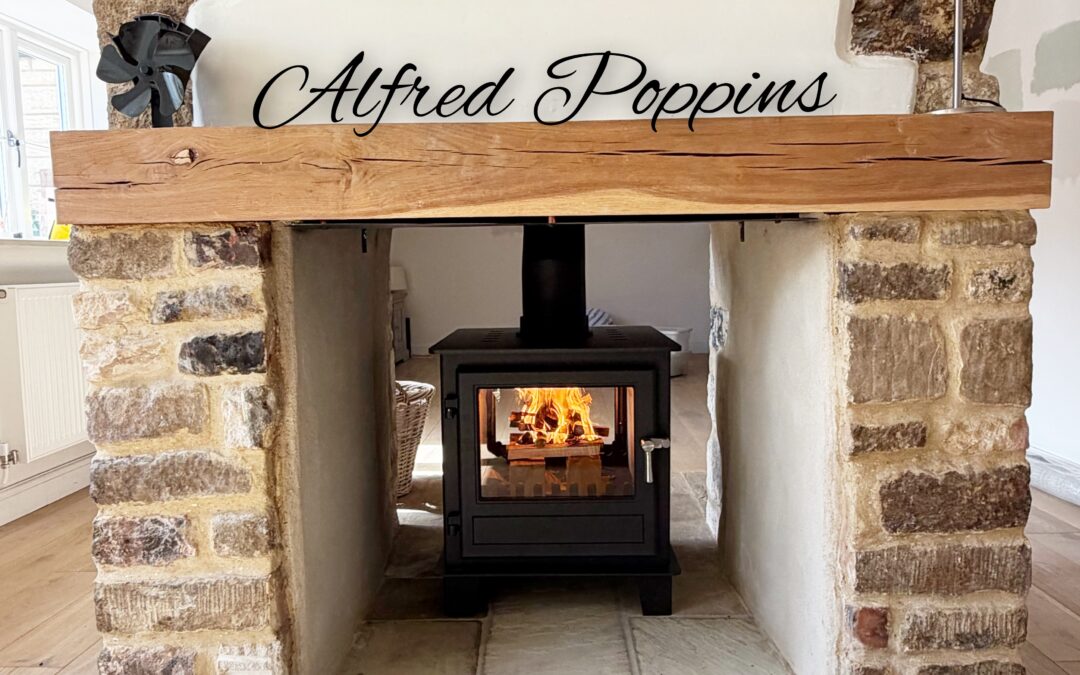
Across parts of the UK, a growing number of homeowners are turning to traditional wood burning stoves as a reliable backup when their air source heat pumps fail to perform as expected.
With the push towards low-carbon heating, thousands of properties have installed air source heat pumps in recent years. While many systems work efficiently, some households—particularly in older or poorly insulated homes—are reporting difficulties maintaining comfortable indoor temperatures during colder months.
As a result, wood burning stoves are seeing renewed interest as a secondary heat source.

Local stove installers say they have seen a noticeable increase in enquiries from customers who already have heat pumps but are looking for additional heating security.
“We’re not seeing people abandoning heat pumps entirely,” said a spokesperson from Alfred Poppins Stoves. “But there is definitely a trend where homeowners want a dependable backup—especially during colder spells when their system is under the most strain.”
Industry experts point out that air source heat pumps can be highly effective when correctly specified and installed, but their performance can be impacted by factors such as insulation levels, radiator sizing, and outside temperatures.
In contrast, wood burning stoves offer immediate, high-output heat that is not dependent on electricity supply or system design. For many homeowners, particularly in rural areas, this provides reassurance during periods of extreme cold or unexpected 
Homeowners are also being advised to use properly seasoned or kiln-dried wood to ensure cleaner burning and maximum efficiency.
As energy costs and system reliability remain key concerns, the trend suggests that many households are opting for a hybrid approach—combining renewable technology with traditional heating methods to ensure comfort and resilience throughout the winter months.